
This section is dedicating to spotlighting EU Horizon projects and initiatives that align with the WaterWise Hub’s mission and activities. This is an opportunity to showcase shared goals, complementary approaches, and opportunities for collaboration that strengthen impact across Europe’s water innovation ecosystem. In this edition, we speak with Ilias Karachalios from Climate Choice to examine how consumer research can help us better understand—and more effectively change—deep-seated perceptions, such as attitudes toward water reuse, in support of a more resilient water future.
What is Climate Choice?
IK: The CHOICE project deals with a simple but very important question: what needs to change in our everyday behaviour around food and land use so that we can meet climate goals – and how can this be supported by tools that help governments make better decisions? To do this, we bring together two worlds: a) IAMs (Integrated Assessment Models) which are large models that link the economy, energy, agriculture, land use and the climate system, and show different futures (for example up to 2050) depending on the policies and technologies we choose; b) Behavioural models which try to describe how people and organisations really make decisions: with habits, social influence, trends, limited time and limited information – not as “perfectly rational” average agents. In CHOICE we connect these two, so that climate policy scenarios are based more on how the world works and less on idealised assumptions.
The main “tangible” results of the project are three. First, improved climate models and user-friendly interfaces (interactive platforms and dashboards) so that researchers, policymakers and innovative companies can test scenarios on diet, food waste, land use and more. Second, a complete set of pilot actions, where we design, implement and evaluate digital campaigns, apps and behaviour-change interventions and measure whether something really changed. Third, policy reports and guidance: what works, for whom, at what cost and with what climate benefit, so that our findings can be used by the EU, national governments and other actors. All this is tested in real life through five pilots in Austria, Spain, Greece, Colombia and South Africa, with a common approach but adapted to local needs. The data we collect feeds back into the IAMs and behavioural models, so that we can redesign climate policy scenarios based on what we observe people doing – or not doing – when they face specific interventions.
Please share some initial insights from your project and pilots.
IK: From the work we have done so far in the Project, one message comes back repeatedly: information alone does very little. People rarely change what they buy or eat just because we tell them that something is “better for the climate”. What seems to matter much more is whether the climate- friendly option is easy, visible and feels normal.
A second insight is that attitudes move more when people experience a concrete benefit or a “small success” themselves. When they see that a different product does not cost more, that a new practice in the field really saves water, or that their household waste went down this month, the abstract idea of “sustainable behaviour” becomes something real and achievable. So, across the project, we are trying to combine three ingredients: make the sustainable choice the path of least resistance, show people clearly what difference their choice makes, and connect that difference to values they already hold, such as health, quality, convenience and fairness.
Information alone does very little. People rarely change what they buy or eat just because we tell them that something is “better for the climate”. What seems to matter much more is whether the climate- friendly option is easy, visible and feels normal.
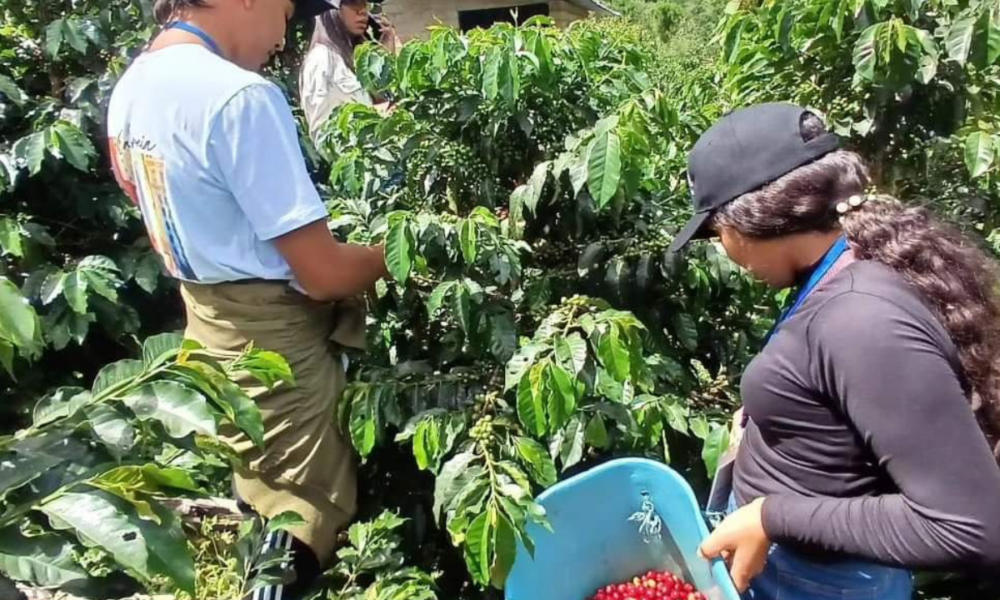
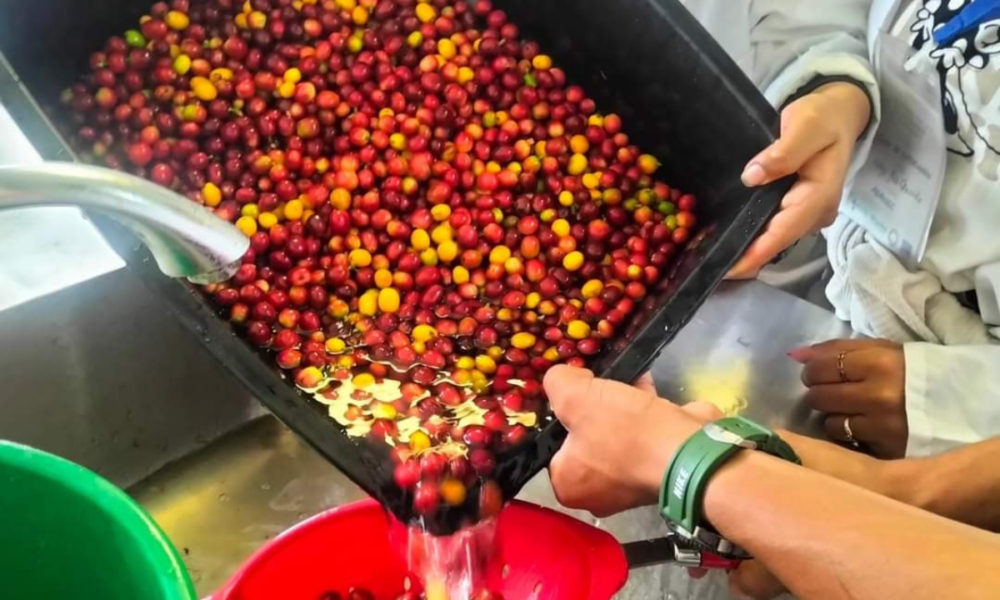
Fig. 1,2: Climate Choice Pilot in Colombia: Motivating local women coffee producers to adopt sustainable production practices and reduce vulnerabilities in their communities and ecosystem
The WaterWise Hub is much interested in shifting attitudes and beliefs around the idea of water reuse, promoting the benefits of circular water systems in agriculture and industry, as well as, in everyday life for the general public. Nevertheless, changing deep-seated beliefs is hard work. What lessons can we take from Climate Choice, to further achieve these goals?
IK: If we translate what we are learning in CHOICE to your work on water reuse, the first point would be: don’t start from “convincing people about circular water systems”, start from their everyday worries and aspirations. In our case, people care first about taste, price, health, convenience and income stability, and only then about abstract climate goals. For water, that probably means leading with reliability during droughts, lower bills, better crop yields and local jobs – and only then talking about resource efficiency and the circular economy.
The second point is that beliefs shift much more easily when people see normal, local examples rather than distant promises. In CHOICE we try to make “sustainable choices” visible in familiar places: in the supermarket basket, on a farm, in a neighbourhood. For WaterWise Hub, the equivalent might be concrete stories of nearby farms, food processors, hotels or municipalities that already use reused water safely and successfully. If these stories come from trusted messengers – farmers’ associations, local authorities, doctors, engineers who live in the area – they carry far more weight than any central campaign.
Finally, we see that people move from “this feels strange” to “this is fine” when they are involved, not just informed. Co-design workshops, farm visits, open days at treatment plants, school projects and small, low-risk pilots give people the chance to ask questions, see the safeguards and experience benefits first- hand. That combination of transparency, participation and visible co-benefits is, in our experience, the most realistic path to changing deep-seated beliefs – whether about what we eat, or about the water that comes back into our lives in new forms.
