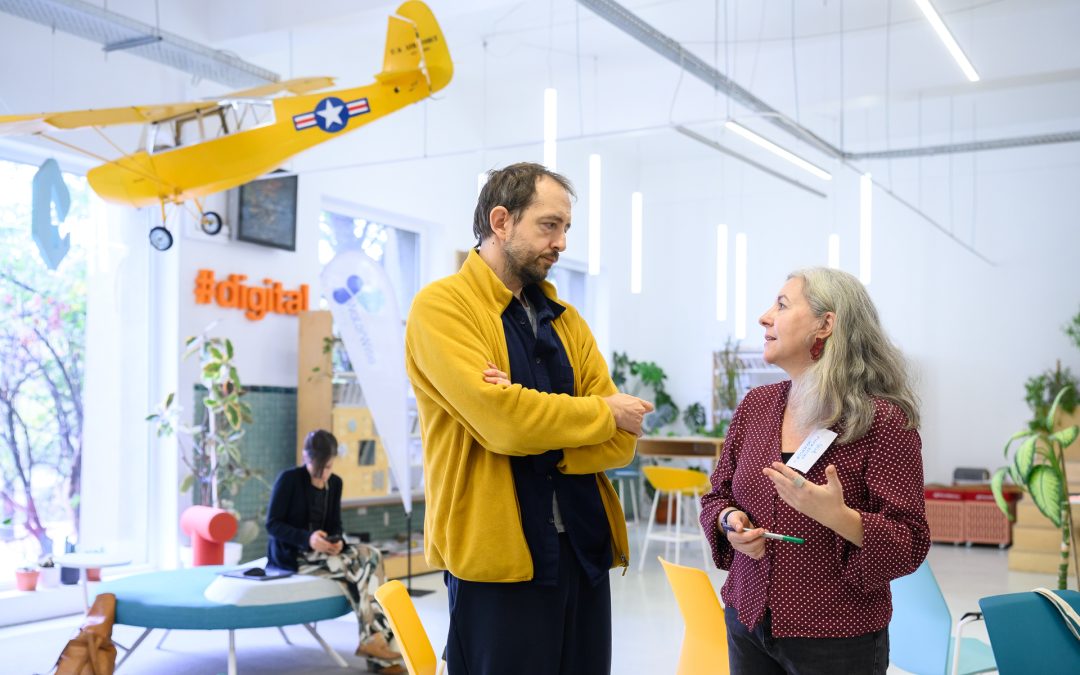
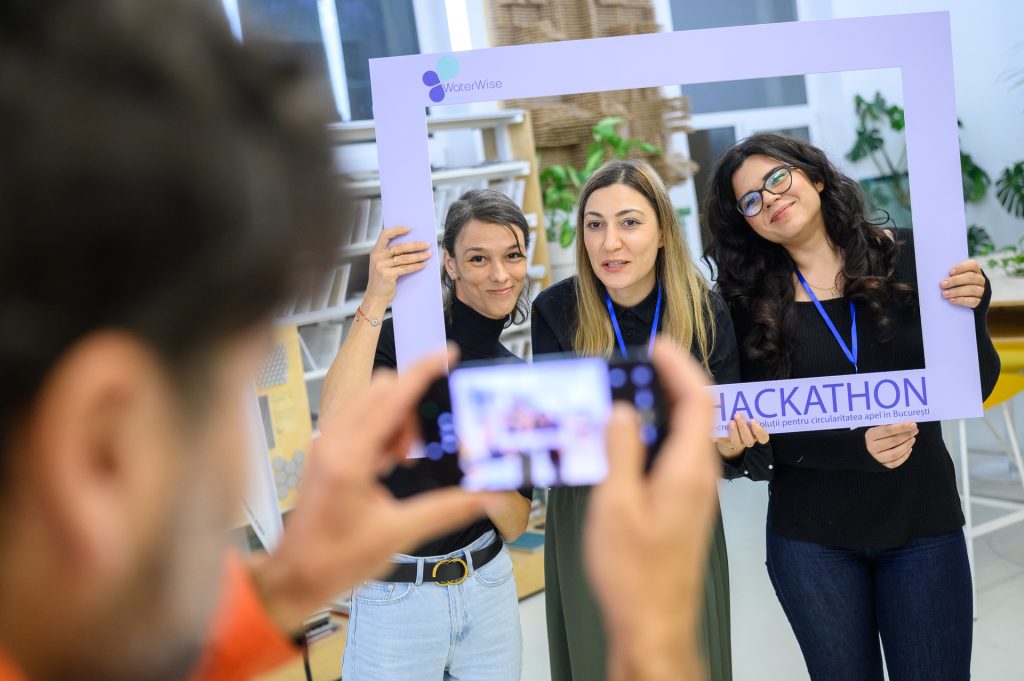
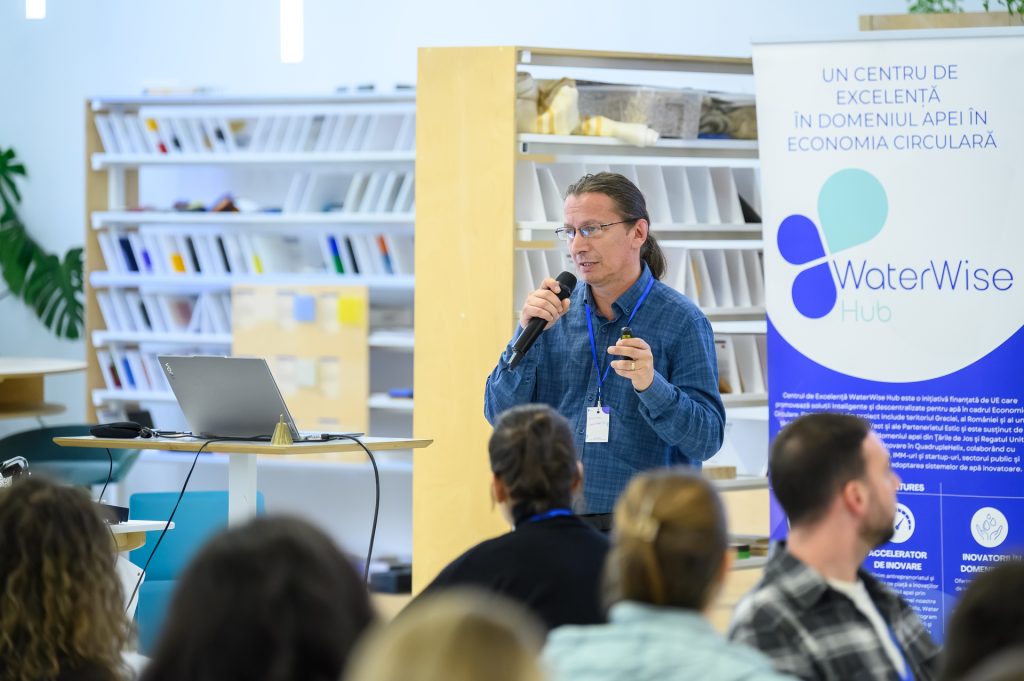
On Saturday, 31 October, the Bucharest Community Foundation (Fundația Comunitară București) concluded the first WaterWise Hub Hackathon, dedicated to co-creating water circularity solutions for Bucharest.
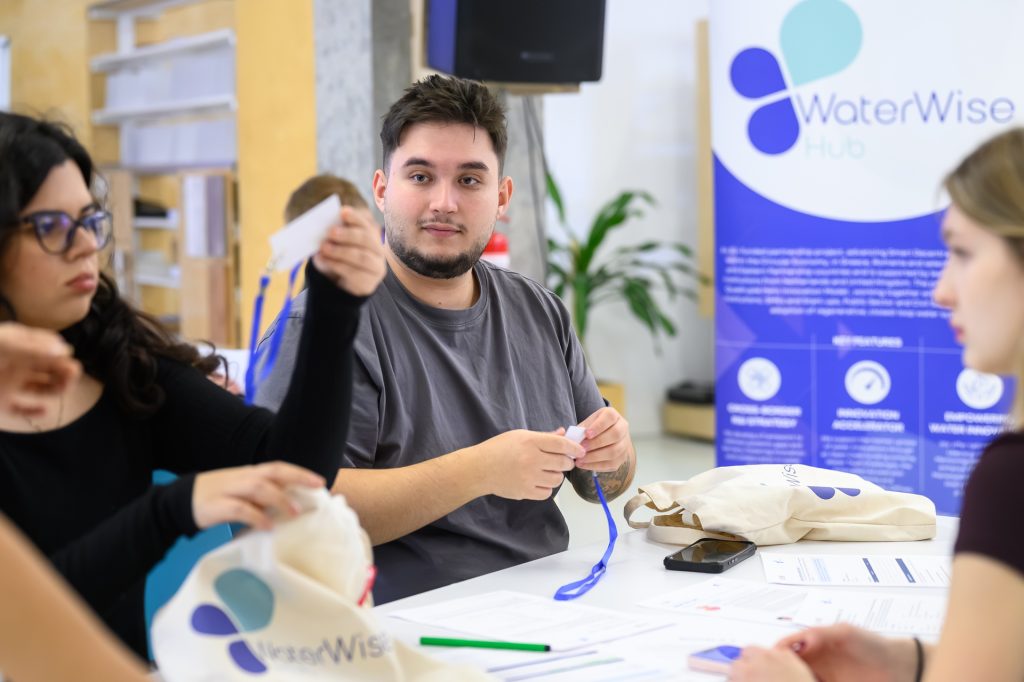
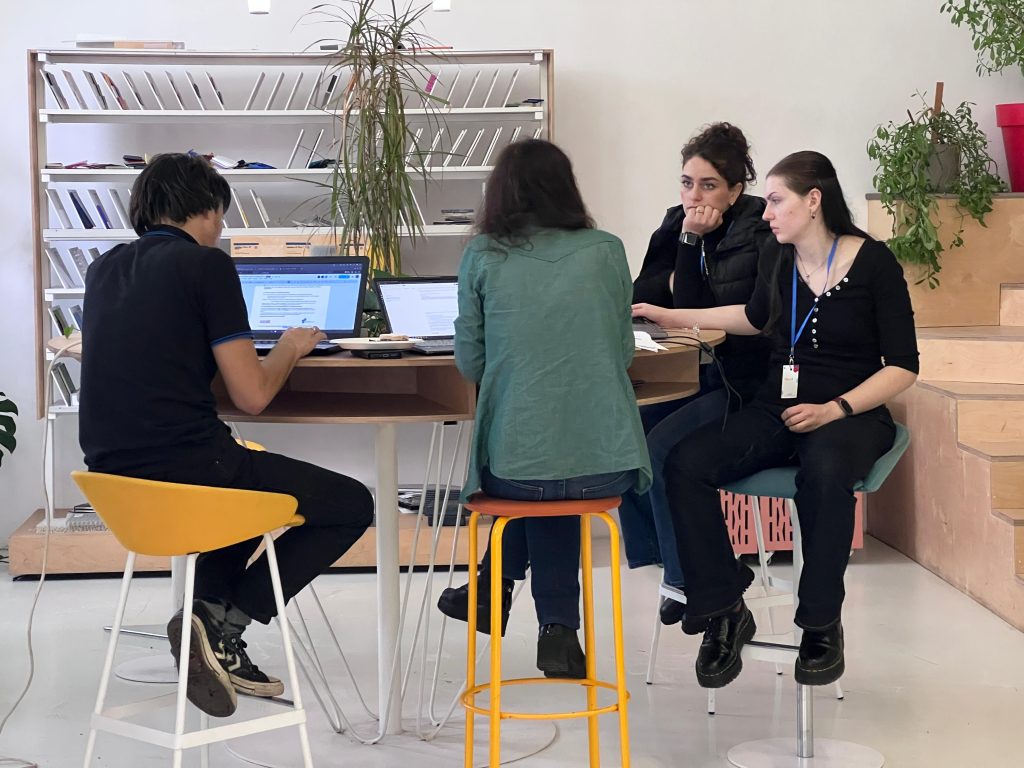
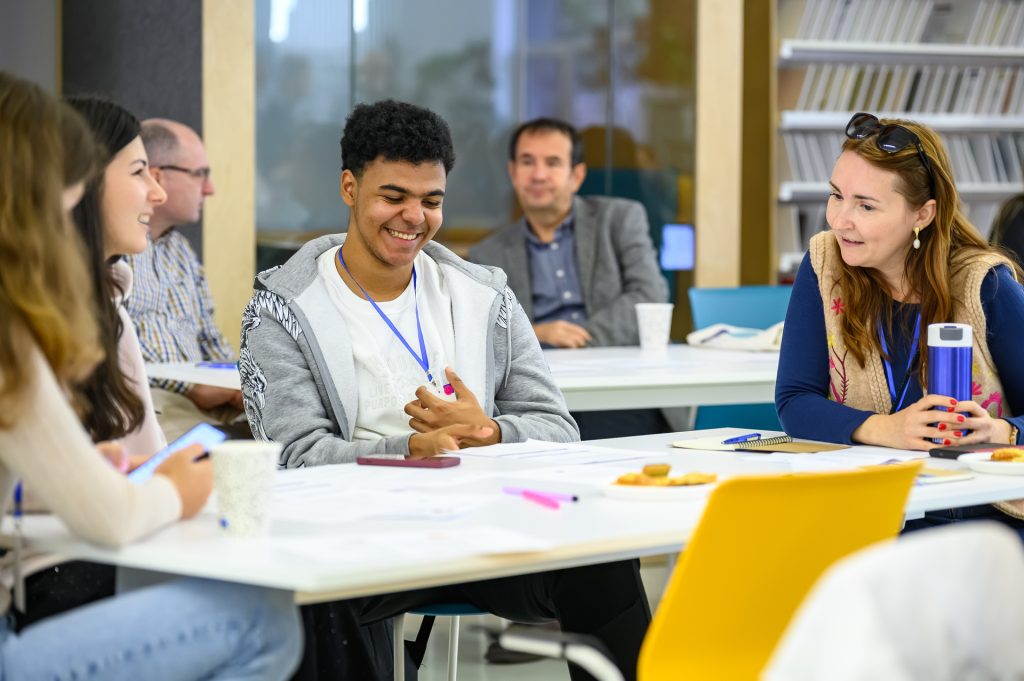
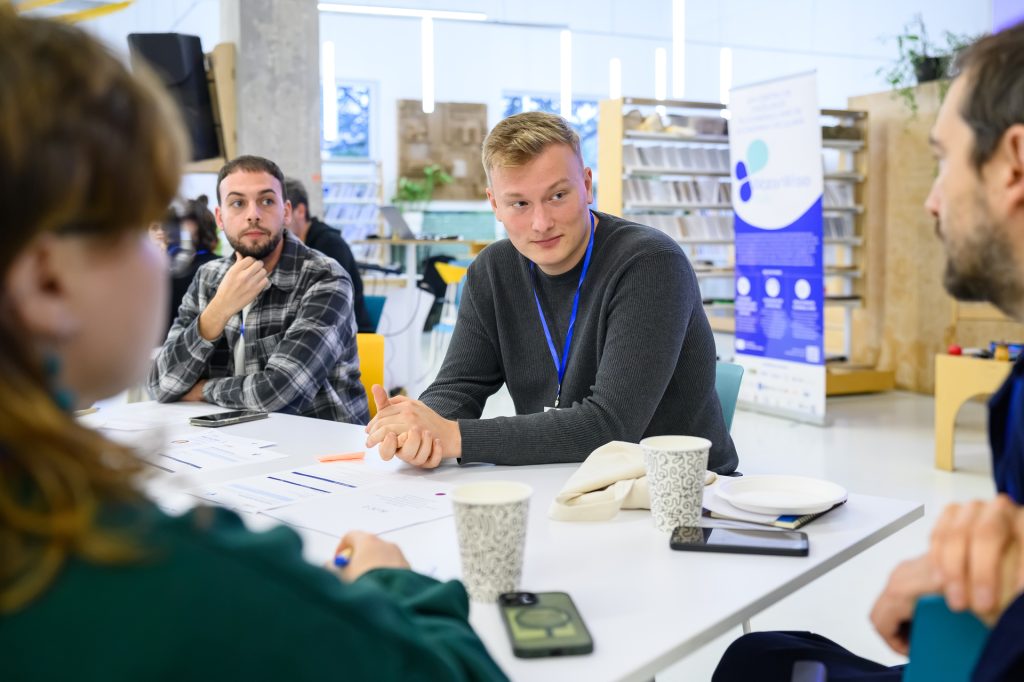
The Hackathon brought together 64 participants with the goal to create applicable solutions for Bucharest’s water challenges. The multidisciplinary teams that were formed, worked directly on real problems in real places across the city. In addition to the partners who proposed the challenges, the teams drew on input from the local administration and from non-governmental organisations.
The challenges
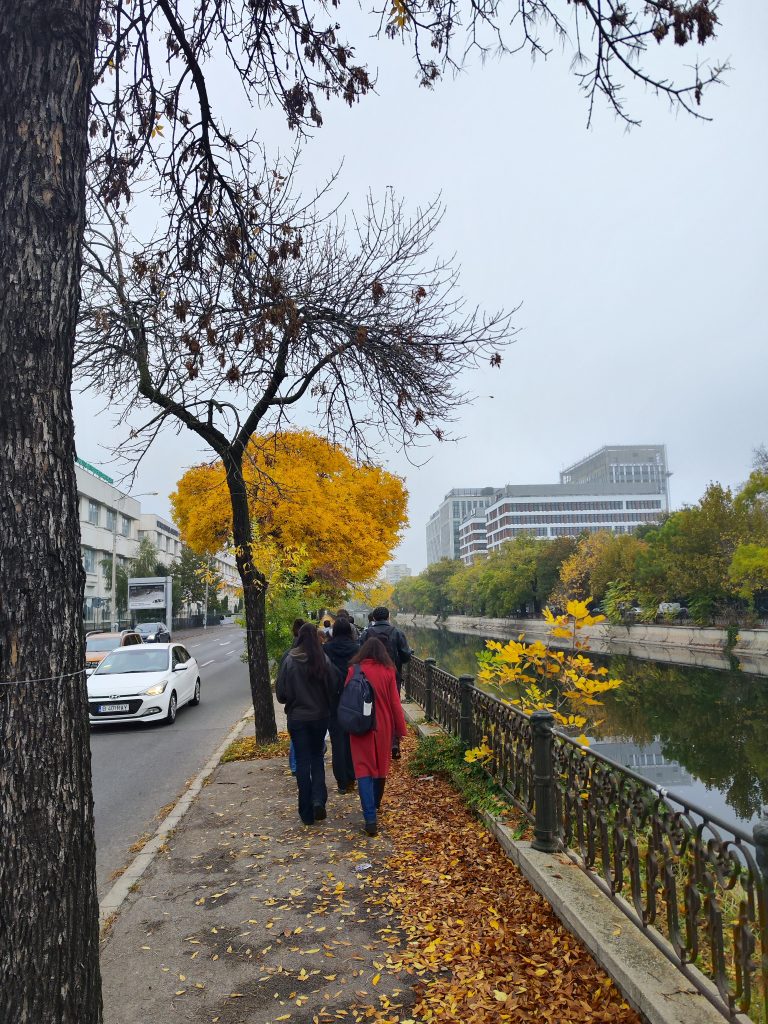
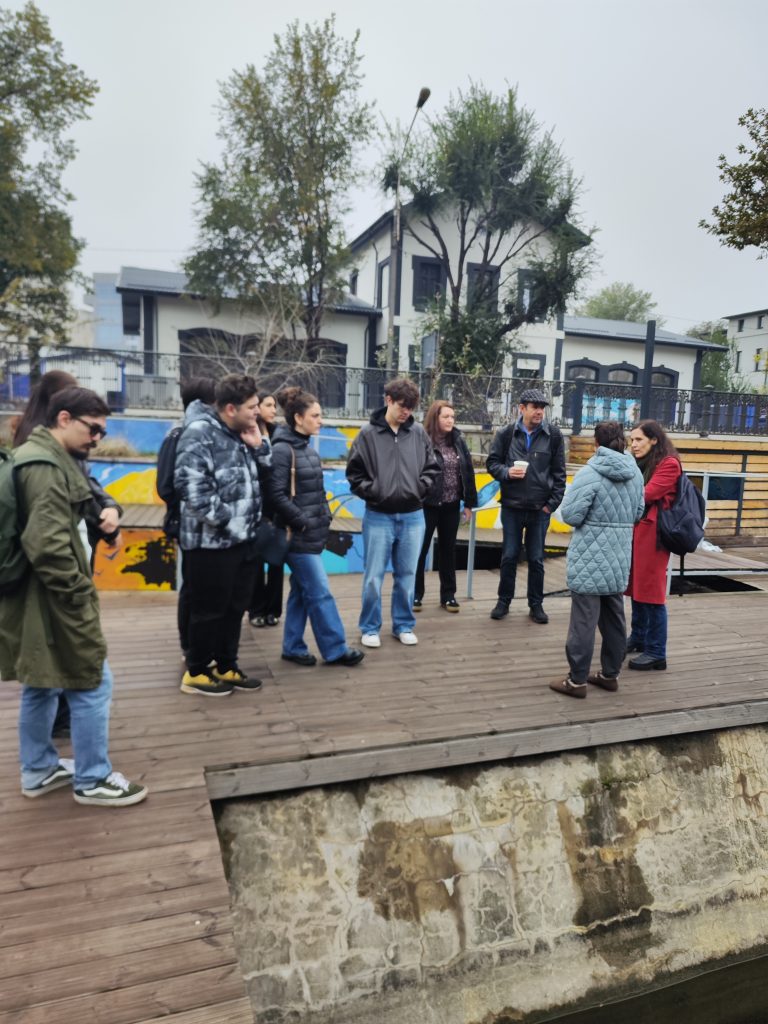
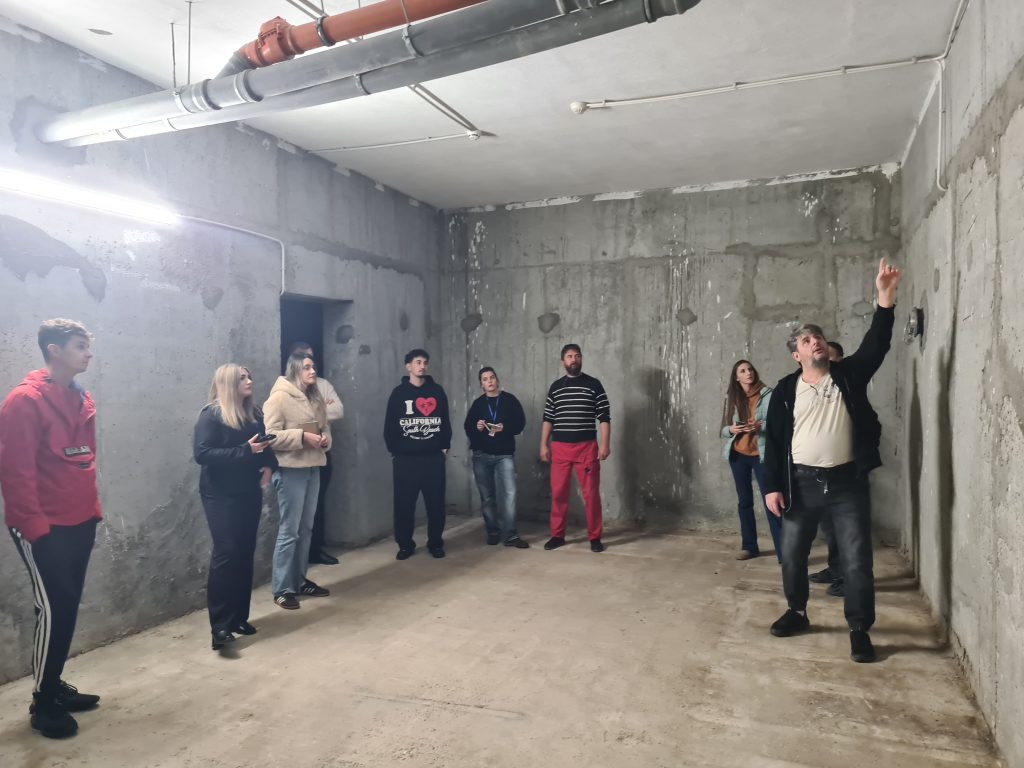
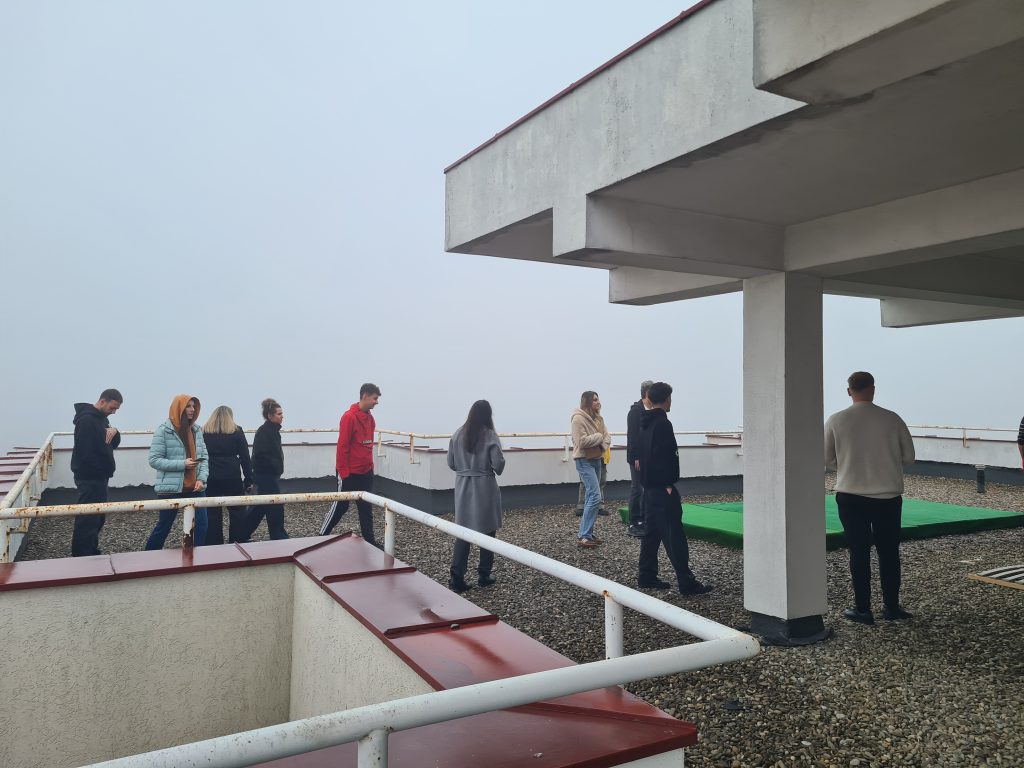
Six teams tackled three challenges, each introduced through a problem file and a field visit: restoring the Dâmbovița River and making its water use more circular; managing water at Secondary School No. 150 in Sector 5; and finding water circularity solutions for the Citadella Titan apartment building in Sector 3.
Throughout the hackathon, the teams were supported by technical mentors: Constantin Radu Gogu (UTCB), Irina Moraru (UTCB), Eduard Dineț (UTCB), Costel Bumbac and Lucian Alexandru Constantin (INCD-ECOIND), Mirela Alina Constantin (INCD-ECOIND), Dan Rădulescu (stormwater management and environmental protection), Giovanina Ionică (National University of Science and Technology POLITEHNICA Bucharest), Cristian Apostol (Techcelerator) and George Fărăuanu (ROTSA). The mentors helped the teams understand the problems on the ground and develop their solutions.
Proposed solutions
DÂMBOVIȚA RIVER
Team Dâmbovița 1 found that there is no integrated operational process bringing together data on the river’s water quality, field observations and reports from the public – from the moment an incident is reported to its verification and the official response. The team proposed an interactive digital map combining water quality data with contributions from citizens, such as geotagged photos and results from rapid test kits used under a standard protocol. The concept is called “Pulse of the Dâmbovița – Observe. Understand. Protect.”
Team Dâmbovița 2 started from two problems: channelling the river into a concrete bed has damaged its aquatic ecosystem, and pollution from traffic, construction sites, stormwater runoff, sewage overflows and illegal discharges is degrading water quality, including in Lake Morii. The team proposed an integrated system that reduces contamination through filtration and aeration, using chemical and biological processes. It combines a floating bridge surrounded by small planted islands, which act as a vegetation barrier and a biological filter, with an aeration system placed upstream.
SECONDARY SCHOOL NO. 150
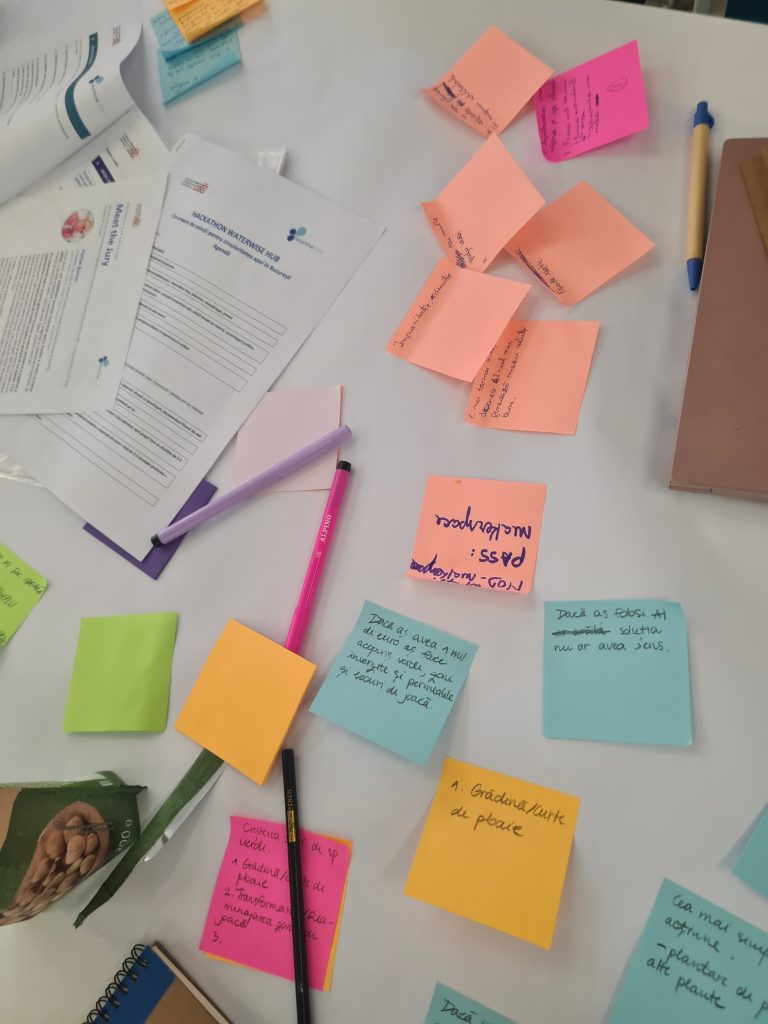
Team School 1 focused on the waste of drinking water and poor stormwater management across the school’s three buildings and the courtyard between them, where most of the puddles form. Their project, “Adopt a Drop”, proposes an integrated system to collect, store and reuse rainwater at the school, reducing the use of drinking water and preventing water from pooling in the courtyard.
Team School 2 identified several problems: the green areas have no irrigation system, the toilets use a lot of water, water pools in the courtyard, and the site is affected by the urban heat island effect. The team proposed capturing, filtering and reusing rainwater to irrigate the green spaces; making the ground more permeable and increasing the share of green space; and cutting water use by replacing the existing taps with self-closing ones.
CITADELLA TITAN APARTMENT BUILDING
Team Building 1 identified two problems in the building: low water pressure, caused by residents using water at the same time and by an inefficient pumping system, and water leaking into the underground car park because of uneven paving. The team proposed a hybrid system to collect, store and recirculate rainwater by tapping into the stormwater pipes in the basement, fitting first-flush filters and connecting them to the existing tank.
Team Building 2 looked at the waste of rainwater, which currently goes straight into the sewer system. This creates extra costs and pressure imbalances in the supply network, and means that rainfall is poorly managed. Their solution uses two tanks, one on the roof and one at ground level, linked by a cascading vertical garden that acts as a natural biological filter.
The winners
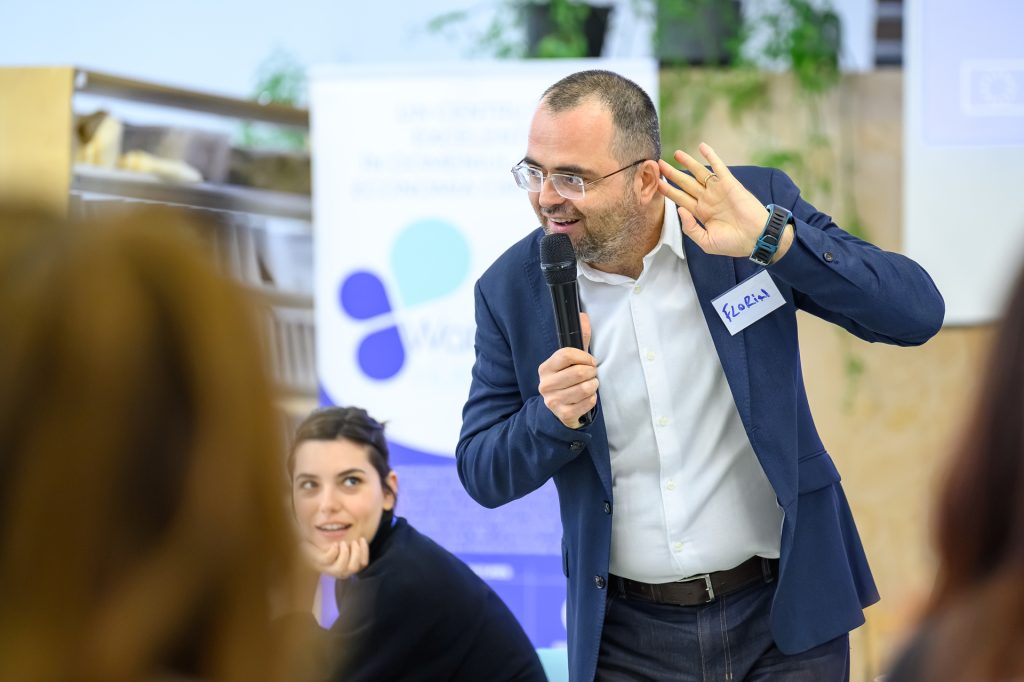
After the evaluation, the jury selected three winning teams. The jury members were Florian Burnar, President of APPFE (Asociația Parteneriat pentru Proiecte și Fonduri Europene); Prof. Adriana Pienaru, University of Agronomic Sciences and Veterinary Medicine of Bucharest (USAMV), Faculty of Land Reclamation and Environmental Engineering and the Landscape Architecture department of the Faculty of Horticulture; and Andra Simion, CEO of AQUASAFE Management Solutions.
1st place – incubation programme
Team School 1: Diana-Maria Buf (President, VYDRA SAS), Ioana-Sabina Iordache (landscape planner), Larisa Diaconu (engineering student, UTCB), Radu-Andres Babong (engineering student, UTCB) and Simona Stanciu (urban planning student, UAUIM).
2nd place – mini-incubation programme
Team Dâmbovița 1: Dragoș-Cristian Ionașcu (student, Faculty of Chemical Engineering and Biotechnologies), Diana-Mihaela Anghel (chemistry laboratory technician, INCD-ECOIND), Luminița Măruțescu (Associate Professor and researcher, University of Bucharest), Ștefan Roman (student, UAUIM) and David Mușat (student, Faculty of Geography).
3rd place – support in connecting with public institutions
Team Building 1: Andrei Popa (student, Faculty of Hydrotechnics), Luana Paraschiv (student, UTCB), Maria Carachiciu (researcher and geographer, INCDPM), Smaranda Oprea (student, “Ion Mincu” University of Architecture and Urbanism) and Alexa-Maria Pirnea (master’s student, University of Bucharest).
Congratulations to all participants on the time and effort they put into their proposals.
